
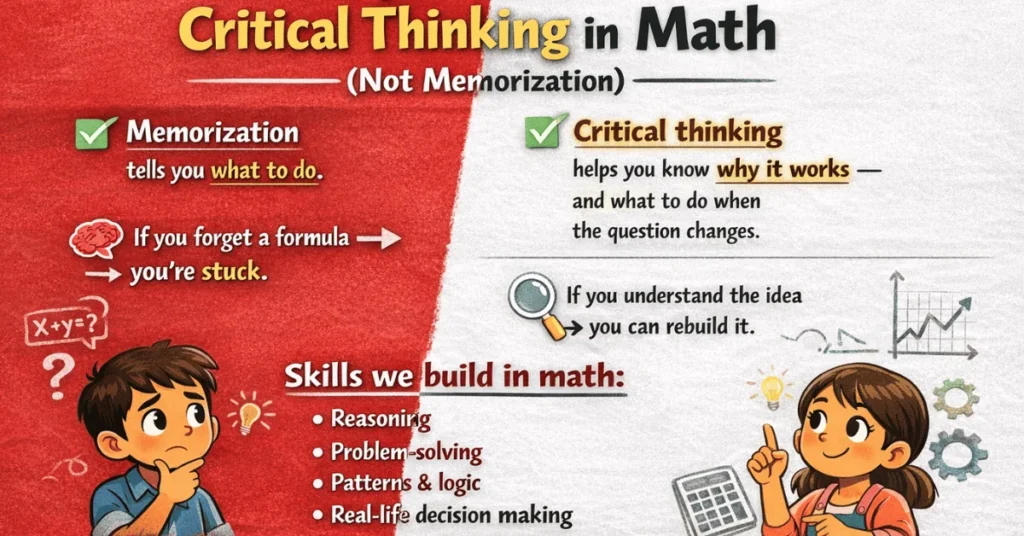
When I first taught math, I noticed a pattern: students could memorize formulas but struggled when problems changed slightly. Critical thinking in math isn’t just about solving equations it’s about understanding why a method works, seeing patterns, and applying reasoning in new situations. I’ve watched students’ confidence soar when they start thinking, not just recalling.
The surprising part is, mathematical reasoning shows up everywhere not just in classrooms. From comparing discounts while shopping to interpreting charts in news articles, thinking skills matter. If you’ve ever felt stuck watching a student struggle despite knowing steps, you’re not alone. This is exactly why we prioritise critical thinking in math over rote memorization.
What Does Critical Thinking in Math Really Mean?
Critical thinking in math is the ability to understand, analyze, and reason through problems instead of just following steps. It means connecting concepts, evaluating procedures, and applying logic to find solutions that work, even in unfamiliar situations. This skill builds deep understanding and flexible problem-solving abilities.
Critical Thinking vs Memorising Steps
I’ve seen students memorize formulas perfectly yet freeze when the question changes slightly. Memorisation can get answers right on a test, but it doesn’t teach math reasoning or logical thinking. Critical thinking, on the other hand, helps students understand concepts and apply procedures flexibly, so mistakes become learning opportunities rather than roadblocks.
Example: A student who memorized the quadratic formula struggled with a word problem. Once guided to reason through the situation and analyze the problem, they solved it correctly and remembered the method longer.
Multimedia suggestion: Include a side-by-side visual showing “Memorisation Path” vs “Critical Thinking Path” highlighting reasoning steps.
Thinking Through Problems, Not Racing to Answers
The truth is, speed doesn’t equal understanding. I’ve noticed students rushing to the solution often miss simpler patterns. Slowing down encourages problem solving and deeper understanding. In my experience, letting students pause, question, and explore multiple methods strengthens math reasoning and builds confidence.
Classroom example: In geometry, students who took time to reason about shapes and angles solved proofs faster and more accurately than those who only memorized steps.
| Approach | Outcome |
| Memorising Steps | Short-term success, long-term gaps |
| Critical Thinking | Flexible problem-solving, deeper understanding |
Why We Prioritise Critical Thinking in Math Instead of Rote Learning
We prioritise critical thinking in math because it equips students to handle new problems, adapt to unexpected challenges, and build confidence, while rote learning only teaches fixed steps that often fail outside the classroom or under pressure. Critical thinking develops real-world adaptability and long-term understanding.
Memorisation Breaks Under Pressure
I’ve seen students memorize formulas flawlessly, then freeze during exams when a question is slightly different. Rote learning works only for repetition it doesn’t prepare students for unfamiliar scenarios. In real-life situations, like interpreting interest rates or reading a chart, memorized steps fall short, while critical thinking in math helps students reason through problems logically.
Multimedia suggestion: A short video of a student attempting a problem in two ways: one memorized, one reasoning through it.
Thinking Skills Transfer Beyond Math
The surprising part is, math reasoning skills don’t stay in class. Students who practice thinking critically apply these abilities in daily decisions, from budgeting their allowance to analyzing statistics in news articles. Problem solving learned in math classes strengthens decision-making with money, data interpretation, and risk evaluation.
| Critical Thinking | Memorisation |
| Flexible thinking | Fixed steps |
| Adapts to new problems | Fails on new formats |
| Builds confidence | Creates anxiety |
How Critical Thinking Changes the Way Students Learn Math
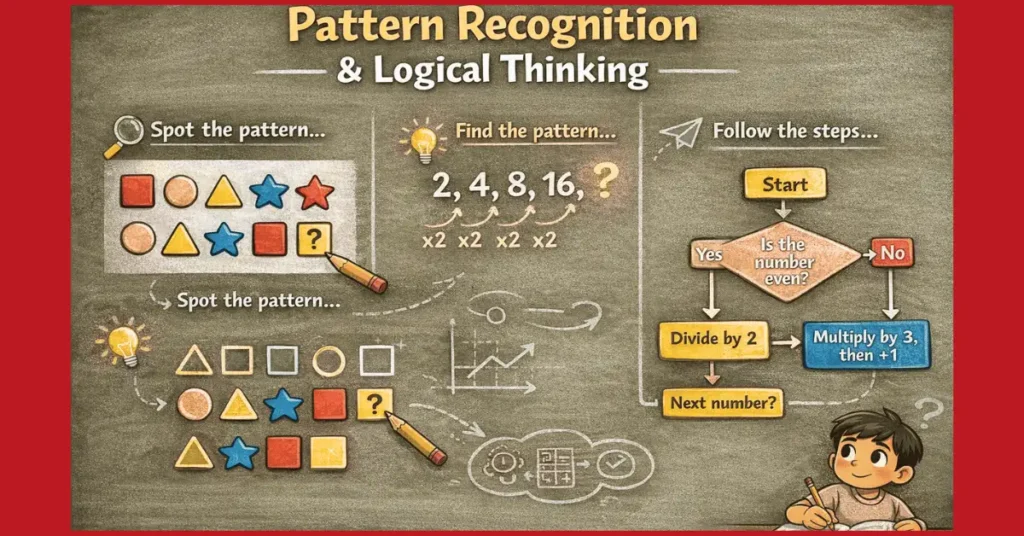
Critical thinking transforms how students learn math by encouraging them to ask meaningful questions, explore multiple solutions, and learn from mistakes. Instead of just getting answers, they develop patterns recognition, explanations, and deeper understanding, which makes math a tool for thinking, not just memorization.
Students Ask Better Questions
The difference I’ve seen is striking: students practicing critical thinking in math start asking, “Why does this work?” or “What if this changes?” These questions push them beyond rote steps and help them make connections between concepts. I’ve guided students to explore alternatives, and they often discover solutions independently, which builds confidence and learning math becomes more engaging.
Mistakes Become Useful
I’ve noticed students who fear mistakes often avoid trying new approaches. When encouraged to think critically, mistakes turn into lessons. Pattern spotting and error analysis help them understand underlying procedures and improve problem solving skills. Over time, they stop fearing errors and start using them to refine their logical thinking.
Real-World Examples Where Math Thinking Matters More Than Formulas
Math thinking matters in real life because problems rarely follow textbook formulas. Students who develop real-life math reasoning can handle decision making, interpret data, and make sense of percentages in everyday situations, from bills to charts, better than those who rely only on memorized steps.
Money, Percentages, and Everyday Decisions
I’ve seen teenagers struggle with discounts or interest rates because they memorized formulas but didn’t understand how numbers relate. Critical thinking in math teaches them to reason through bills, compare offers, and make practical choices that impact daily life.
Health, News, and Data Claims
Students often misinterpret charts or statistics in news articles. I encourage them to pause, evaluate, and think critically about risk numbers or trends. This skill translates directly to data interpretation and informed decisions in life.
| Situation | Thinking Skill Used |
| Loan offers | Percentage reasoning |
| News graphs | Data sense |
| Shopping deals | Comparison thinking |
What Happens When Math Is Taught Without Critical Thinking?
When math is taught without critical thinking, students may perform well on short-term tests but struggle to apply concepts later. They forget procedures quickly, fail to solve new problems, and often develop math anxiety, losing both confidence and curiosity for learning math.
Short-Term Scores, Long-Term Gaps
I’ve seen students ace exams by memorizing formulas, only to forget everything weeks later. Rote learning creates a fragile understanding knowledge disappears once the test is over. Without critical thinking in math, students can’t adapt, reason, or solve slightly different problems, leaving gaps in their understanding and real-life application.
Loss of Confidence and Curiosity
Students who rely solely on memorization often say, “I’m bad at math.” I’ve encountered this countless times. Logical thinking and reasoning skills could have helped them realize mistakes are learning opportunities, not proof of failure. Critical thinking in math restores confidence, encourages curiosity, and turns frustration into genuine problem-solving growth.
How Teachers and Parents Support Math Thinking at Home and School
Teachers and parents can boost critical thinking by asking the right questions and giving students space to reason. Supportive guidance helps children explain their thinking, explore alternatives, and develop deeper math reasoning, turning learning math into an interactive, thoughtful process.
Asking the Right Questions
I’ve noticed a big difference when adults ask, “How did you get this?” or “Is there another way?” These simple questions encourage students to articulate explanations and reflect on problem solving. It shifts the focus from just finding an answer to understanding concepts and procedures, helping children build strong reasoning habits.
Slowing Down the Process
Rushing through worksheets often blocks thinking. When I guide students to tackle fewer problems but spend more time analyzing each, they start spotting patterns and understanding relationships. Slowing down helps children internalize math teaching concepts and strengthens logical thinking.
| Weak Question | Strong Question |
| What’s the answer? | Why does this work? |
Research-Backed Reasons Schools Focus on Math Thinking
Schools focus on critical thinking in math because studies show students retain reasoning skills longer than memorized steps. Modern curriculums emphasize concept understanding over rote practice, helping learners apply problem solving strategies across subjects and real-life situations.
What Education Studies Show
Research consistently finds that students trained in critical thinking in math outperform those relying solely on memorization. Reasoning lasts longer, improves math confidence, and transfers to unfamiliar problems. For example, students who practice explaining steps and exploring alternatives retain skills months after lessons, while purely memorized formulas fade quickly.
Why Modern Curriculums Changed
Curriculums now prioritize concept focus and student comprehension. Educators aim to teach understanding rather than just procedures. In classrooms I’ve observed, students given reasoning-based tasks grasp patterns and relationships faster, ask better questions, and demonstrate higher engagement than those following repetitive exercises.
Does Critical Thinking in Math Improve Future Skills?
Critical thinking in math builds future skills by strengthening analytical thinking and problem solving abilities. Students learn to approach challenges with clear reasoning, which prepares them for careers, daily decisions, and real-life problem-solving beyond school.
Career and Life Benefits
I’ve seen students who practiced reasoning in math handle complex tasks more confidently later in life. Clear thinking and structured problem-solving translate into better decisions at work, smarter budgeting, and even interpreting data in news or business. These future skills come naturally when learning math emphasizes reasoning, not just memorization.
Building Confident Adults
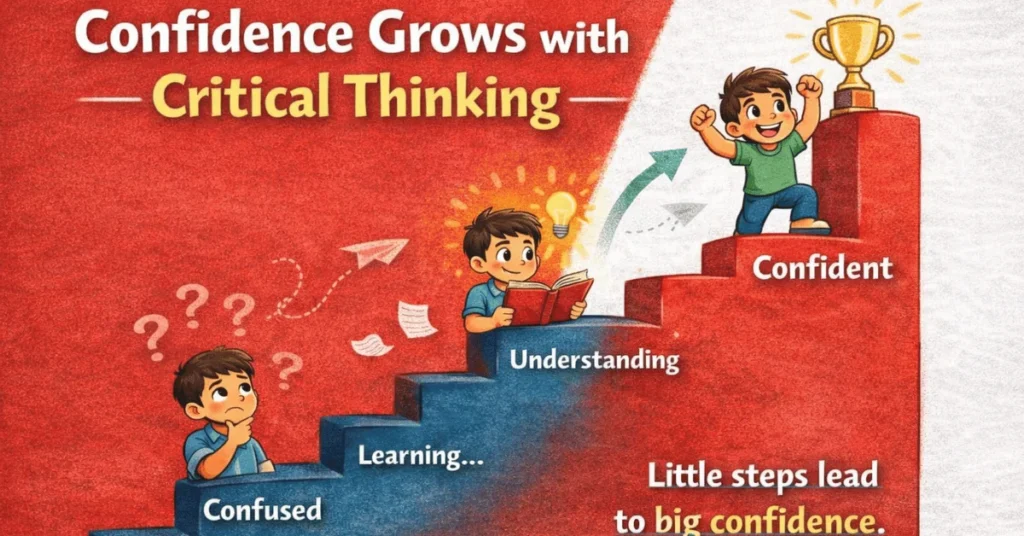
Fear of numbers often blocks learning and growth. Students trained in critical thinking in math develop confidence, embrace challenges, and feel capable tackling new problems. I’ve guided learners who once doubted their abilities, and seeing them solve unfamiliar problems was a clear sign that lifelong learning was taking root.
Final Thought: Math Makes Sense When Thinking Comes First
Sometimes, the best math lessons aren’t about the answer they’re about the thought process. Critical thinking in math transforms frustration into curiosity, memorization into understanding, and hesitation into confidence. If you’re teaching, learning, or supporting math, paying attention to reasoning first ensures students carry skills far beyond the classroom.
Frequently Asked Questions (FAQs)
1. What is critical thinking in math?
Critical thinking in math is the ability to analyze problems, understand concepts, and reason through solutions instead of just memorizing steps. It helps students apply math reasoning, make connections, and solve unfamiliar problems with confidence.
2. How to develop critical thinking skills in math?
You can develop critical thinking skills in math by asking “why” questions, exploring multiple solutions, and learning from mistakes. Practice analyzing concepts, spotting patterns, and reasoning through real-life problem-solving situations to strengthen understanding.
3. How to improve critical thinking in math?
Improving critical thinking in math requires consistent practice: slow down while solving problems, discuss reasoning aloud, and compare multiple methods. Focus on understanding procedures, connecting concepts, and evaluating results instead of rushing to answers.
4. Why is critical thinking important in math?
Critical thinking in math is important because it builds flexible problem-solving, strengthens logical thinking, and improves retention. Students who think critically perform better in exams, apply knowledge in real life, and handle new challenges confidently.
5. How to teach critical thinking in math?
Teach critical thinking in math by encouraging students to ask questions like “How did you get this?” or “Is there another way?” Bring in real-life scenarios, take exercises step by step, and let students articulate their thought process.
6. What are the 9 critical thinking traits in math?
Key traits include analytical thinking, reasoning, evaluation, problem solving, curiosity, flexibility, attention to detail, pattern recognition, and persistence. Developing these helps students approach math concepts with confidence and deeper understanding.
7. Which qualifications are typical for someone working in e-marketing?
Typical qualifications include good teamwork, knowledge of search engines and social media, math skills for calculating prices, critical thinking for designing surveys, social awareness, and strong communication skills for interacting with clients and media contacts.
Explore More Article: The Ultimate Resource for Worksheets: Catering to All Grades and Ages
Master Three-Digit Addition Easily: Step by step guide for addition